For more info. Tel: +211 92 665 5009 / 091 2920044 / 098 292 0042 E-mail: info@cwcss.org
THEMATIC PROGRAMMES
CWC delivers integrated, high-impact programmes across six core thematic areas, aligned with the SDGs, South Sudan’s National Development Strategy and the Humanitarian-Development-Peace Nexus.
- PEACEBUILDING, HUMAN RIGHTS AND COMMUNITY SECURITY
- HEALTH, NUTRITION AND W.A.S.H.
EDUCATION AND SKILLS DEVELOPMENT
LIVELIHOODS, FOOD SECURITY AND ECONOMIC EMPOWERMENT
- GENDER EQUALITY AND WOMEN’S EMPOWERMENT
HUMANITARIAN RESPONSE AND RESILIENCE
1. PEACEBUILDING, HUMAN RIGHTS AND COMMUNITY SECURITY
Goal: To foster sustainable peace and justice at grassroots level.
- Conflict Prevention & Resolution: Community-based peacebuilding, inter-communal dialogue facilitation, local conflict management mechanisms and advocacy for inclusive policies that address root causes of conflict.
- Human Rights & Access to Justice: Strengthening local governance, promoting media freedom, rule of law, legal aid, and community-led protection, including prevention and response to Gender-Based Violence (GBV).
- Disarmament, Demobilisation & Reintegration (DDR): Supporting ex-combatants’ transition to civilian life through vocational training, psychosocial support, and community cohesion and economic reintegration.
- Community Security: Strengthening community-based security structures and promoting peaceful coexistence.
2. HEALTH, NUTRITION and W.A.S.H.
Goal: To increase access to essential, life-saving health services.
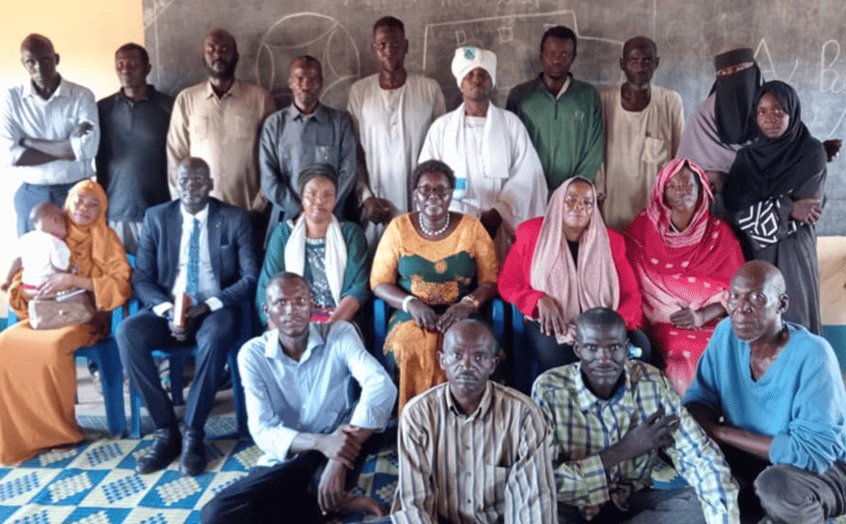
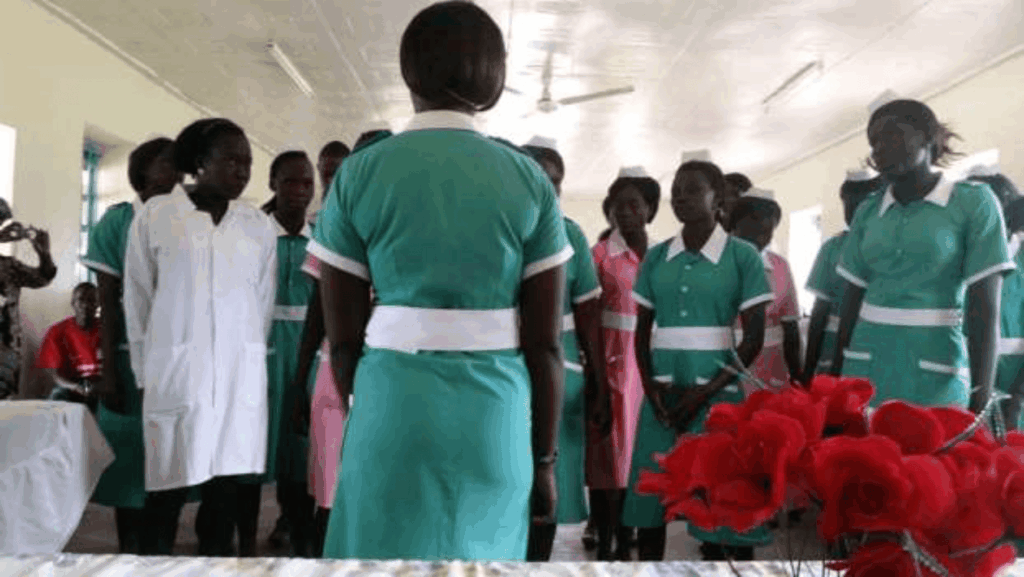
- Primary Healthcare: Support for maternal and child health, immunization, treatment of common illnesses, and capacity building of local health systems.
- HIV/AIDS Prevention, Care & Support: Prevention, testing, treatment, stigma reduction, and targeted support for pregnant and breastfeeding women, adolescents and children living with HIV.
- Mental Health & Psychosocial Support (MHPSS): Trauma-informed counselling, peer support, recreational therapy and community-based psychosocial interventions for conflict and displacement affected populations.
- Water, Sanitation & Hygiene (WASH): Construction and rehabilitation of water points, latrine construction, and hygiene promotion to reduce waterborne diseases.
3. EDUCATION and SKILLS DEVELOPMENT
Goal: To ensure inclusive, quality education and lifelong learning.
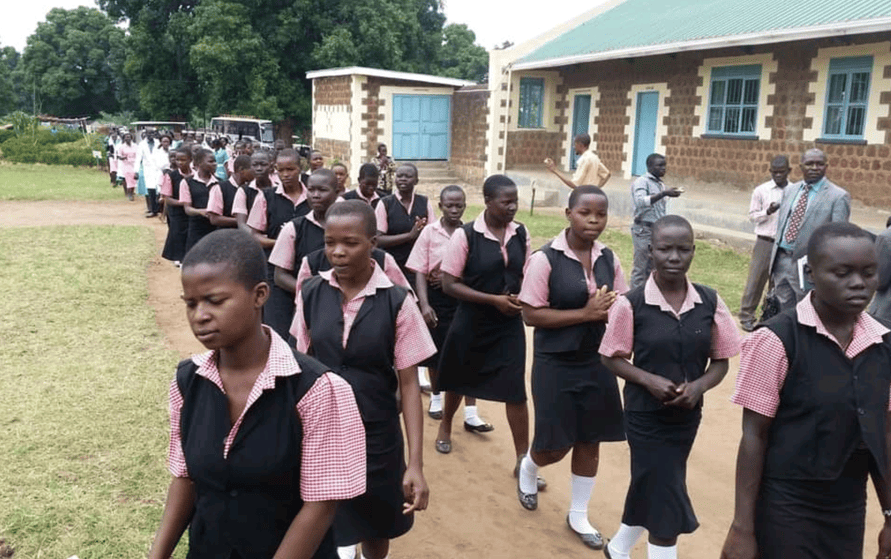
- Access to Education: Construction/renovation of schools, provision of learning materials and teacher training.
- Quality & Safety: Improving learning outcomes, ensuring safe learning environments and community engagement in education governance.
- Adult Literacy & Accelerated Learning: Community learning centers, adult literacy and second chance education programmes.
- Peace Education: Integrating peacebuilding, life skills, tolerance and conflict resolution into curricula.

4. LIVELIHOODS, FOOD SECURITY and ECONOMIC EMPOWERMENT
Goal: To build resilience and self-reliance.
- Agriculture & Food Security: Climate-smart agriculture training, provision of seeds/tools, and market linkage to strengthen food systems.
- Vocational Training: Market-relevant skills training for women, youth and persons with disabilities in trades such as tailoring, agriculture, construction, mechanics, fishing and more.
- Microfinance & Enterprise Development: Village Savings and Loan Associations (VSLA), access to credit, business skills training and support for women and youth-led SMEs.
- Cash & Voucher Assistance (CVA): Unconditional and conditional cash transfers to vulnerable households to meet immediate needs and support girls’ education.
5. GENDER EQUALITY and WOMEN'S EMPOWERMENT
Goal: To advance equality, protection and leadership of women and girls.
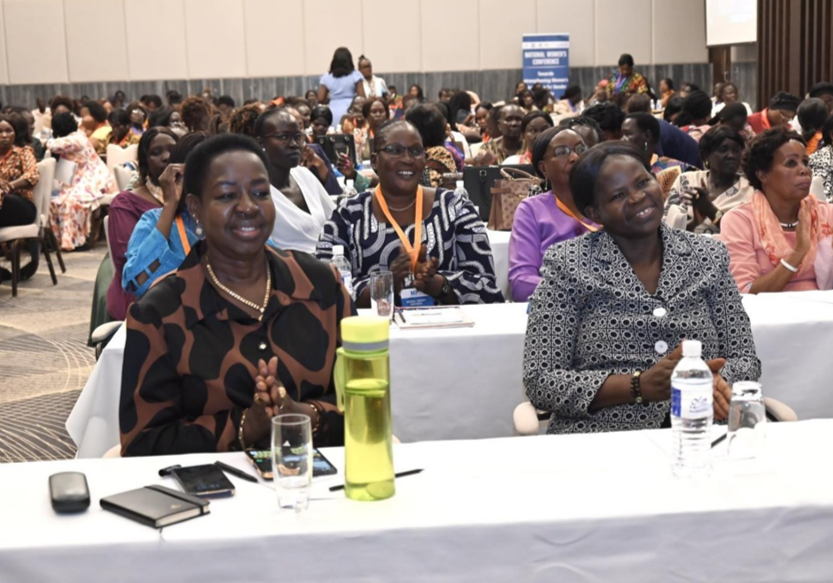
- Women’s Leadership & Participation: Leadership and management training, support for women-led businesses, and advocacy for inclusive decision-making.
- Prevention & Response to GBV: Comprehensive survivor-centered services — safe shelters, medical care, psychosocial support, legal aid— plus community awareness to challenge harmful norms.
- Economic Empowerment: Access to finance, business development and market linkages for sustainable economic independence of women.
6. HUMANITARIAN RESPONSE and RESILIENCE
Goal: To save lives, reduce risk and restore dignity.
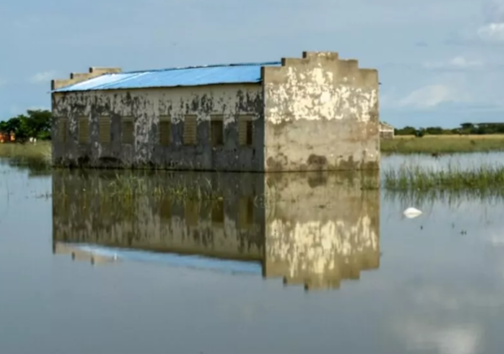
- Emergency Response: Rapid, life-saving assistance to populations affected by conflict, displacement and natural disasters.
- Disaster Risk Reduction (DRR): Community preparedness, risk assessment, early warning and women-led resilience building.
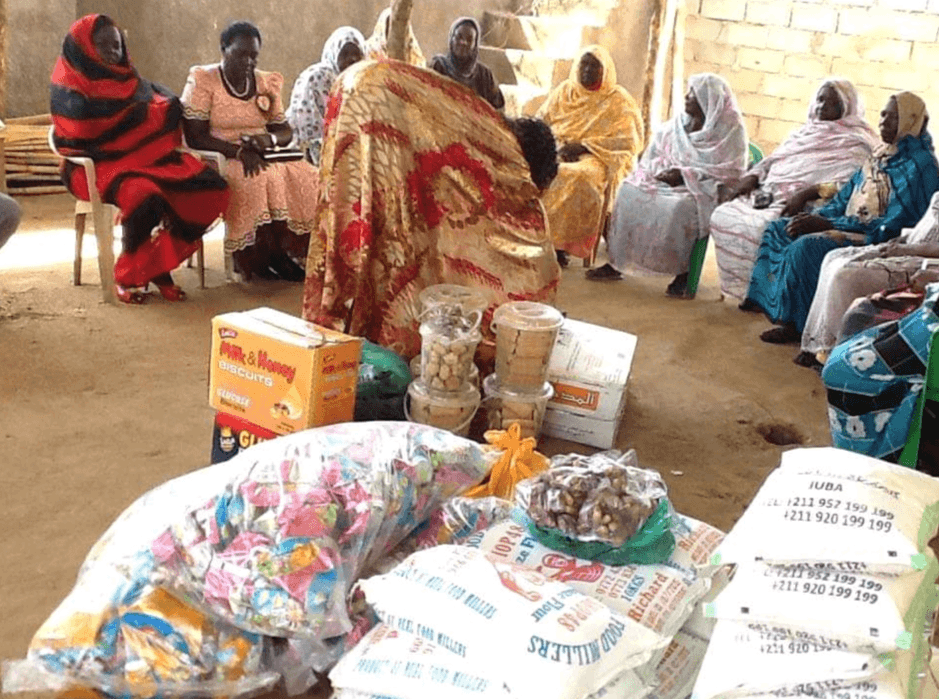
- Food Security & Nutrition: Food distribution, supplementary feeding, nutrition education and promotion of climate-resilient agriculture.
- Shelter & Non-Food Items (NFIs): Needs-based provision of emergency shelter and essential household items with community participation and protection mainstreaming
CROSS-CUTTING THEMES
CWC mainstreams the following cross-cutting themes across all programmes to ensure inclusive, sustainable and accountable programming:
- Climate Change Adaptation & Environmental Sustainability
We integrate climate resilience across all interventions. Our approach focuses on climate-smart agriculture, livelihood diversification, natural resource management and strengthening women’s leadership in climate adaptation and decision-making. This enhances communities’ adaptive capacity, improves access to climate-resilient resources and services, and promotes eco-friendly practices in climate-vulnerable areas.
- Capacity Strengthening & Institutional Development
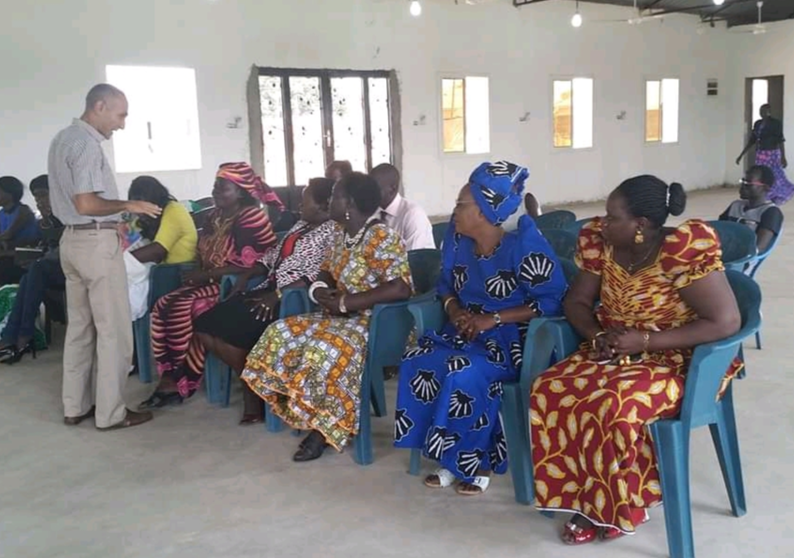
We are committed to locally-led development. We strengthen the capacity of women, youth groups, community-based organisations, civil society and local government institutions through targeted training, mentorship, organisational development support and strategic media engagement. This builds skills, knowledge, confidence and leadership for effective participation in governance, peacebuilding and socio-economic development.
- Protection, Mine Action & Humanitarian Safety
In partnership with specialized actors, CWC contributes to safe, dignified and enabling environments for recovery and development through:
- Risk Education: Community awareness for women, children, returnees and host communities on identification, avoidance and reporting of Explosive Remnants of War (ERW).
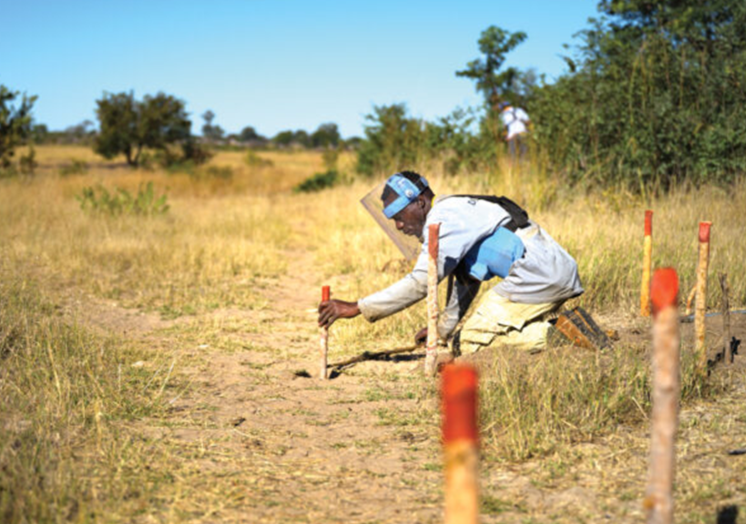
- Access & Safety: Supporting surveys, marking of hazardous areas, and advocating for clearance of landmines, Unexploded Ordnance (UXO) and cluster munitions to ensure safe humanitarian access and civilian movement.
- Victim Assistance: Psychosocial, medical referral and livelihood support for survivors of landmine/ERW incidents.
OUR GLOBAL IMPACT
0
Women Supported.
0
Children Reached.
0
Families Assisted.
0
Community Projects.
Every number represents a person, a family and a story.
Need more info?
- +211 92 665 5009
- +211 91 292 0044
- +211 98 292 0042